Briefing@tysontngr696
Moles & Benign Skin Developments Types, Risks
3 min read
When Should You Fret About A Skin Growth? Skin adjustments as you get older and are revealed to sunshine, health and wellness problems, injury, and various other environmental adjustments. Many people have some skin marks, such as freckles and moles. Cancer malignancy threatens mostly due to the fact that it can spread to other organ systems in the body.
- Usual benign skin lesions of melanocytic origin include the ephilis, lentigo simplex, and melanocytic naevus (mole).
- Identifying the warning signs and comprehending just how cancer malignancy vs a mole contrasts is vital.
- A specialist examination can supply satisfaction and ensure that any kind of dubious moles are resolved quickly.
Malignant Skin Lesions: What Are The Warning Signs To Watch For?
Or else, you won't require therapy for these unless their wart-like appearance troubles you. Many individuals are birthed with moles which regularly establish throughout childhood years and continue to develop through midlife. When individuals reach the age of 40 or 50, the formation of new moles is less common, and moles tend to discolor or may disappear entirely after midlife. A mole that does not have the exact same color throughout or that has tones of tan, brown, black, blue, white, or red is suspicious. Although benign sores. are not unsafe, it's important to monitor for any type of changes in shade, size, shape, or sensation. Any type of skin lesion that comes to be agonizing, bleeds, or proliferates need to be examined by a skin specialist to dismiss malignancy. Almost everyone contends the very least one mole-- the medical term is "nevus"-- a flat or raised tinted place on the skin. These areas (" moles") are produced when skin pigment cells called melanocytes assemble into clusters. A mole can show up anywhere on your body, and brand-new moles can appear right into your 40s. Many moles are harmless and do not alter, but others might expand, change shape, or alter shade. Visit this pageWhat do malignant sores feel like?
Although skin cancer cells lesions may hemorrhage, itch, or trigger pain, several cancerous tumors trigger no unusual sensations whatsoever. This is why it''s so crucial to understand the early indications of skin cancer and routine regular screenings & #x 2014; specifically if you''ve observed a brand-new, unusual growth on your skin.
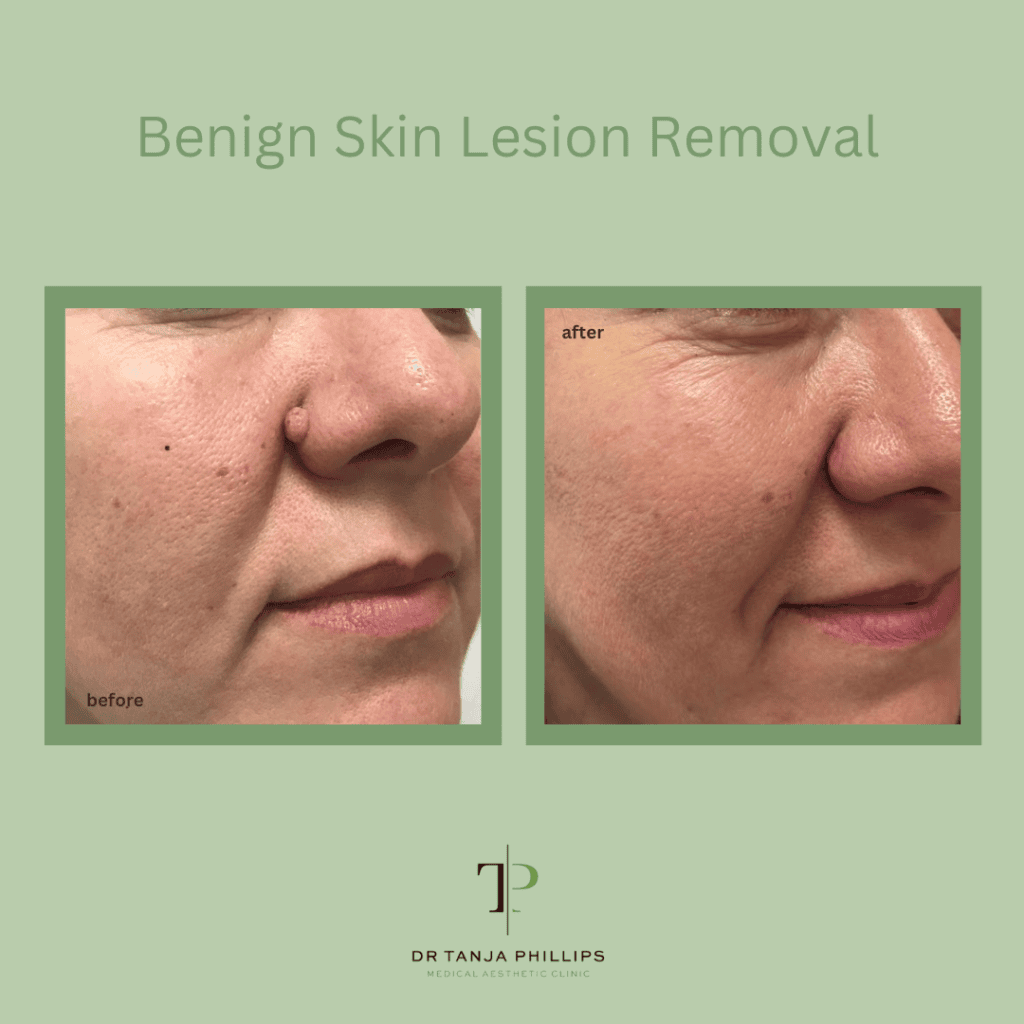
What Causes Skin Developments?
While it's worrying to discover a new spot or mole, the truth is that it doesn't always indicate you have skin cancer cells. Many skin developments never trigger a health issue or progression to cancer cells. Comprehending even more regarding precancerous skin developments can aid you stay clear of creating skin cancer cells in the future. These small, flaky spots are brought on by too much sunlight, and frequently happen on the head, neck, or hands, yet can be located in other places. Throughout a skin-related examination, your provider will meticulously examine any type of concerning lesions making use of specialized zoom tools and advanced analysis techniques. They might utilize dermoscopy, a pain-free assessment technique that permits them to get a far better sight of skin Find more information structures that are unseen during common visual evaluation. Such scenarios can lead to unexpected, severe pain that may require prompt professional removal. This skin cancer picture gallery is sustained partly by Regeneron. If you have a lesion that is changing, bothersome, or merely something you would like examined, seeking expert guidance is the most effective first step towards a risk-free and successful sore elimination. These developments are made from melanocytes, which are pigment cells that are responsible for generating skin shade. Health problems like hen pox are brought on by the herpes virus, causing a characteristic red breakout throughout the body. Fungal infections like ringworm can create red, scratchy patches on the skin. Most significantly, if you discover anything consistent, developing, or worrying, speak with a medical professional as soon as possible. When it involves feasible onset skin cancer cells, early activity saves lives. 